
-
 Mobile Phones Latest smartphones & accessories
 -
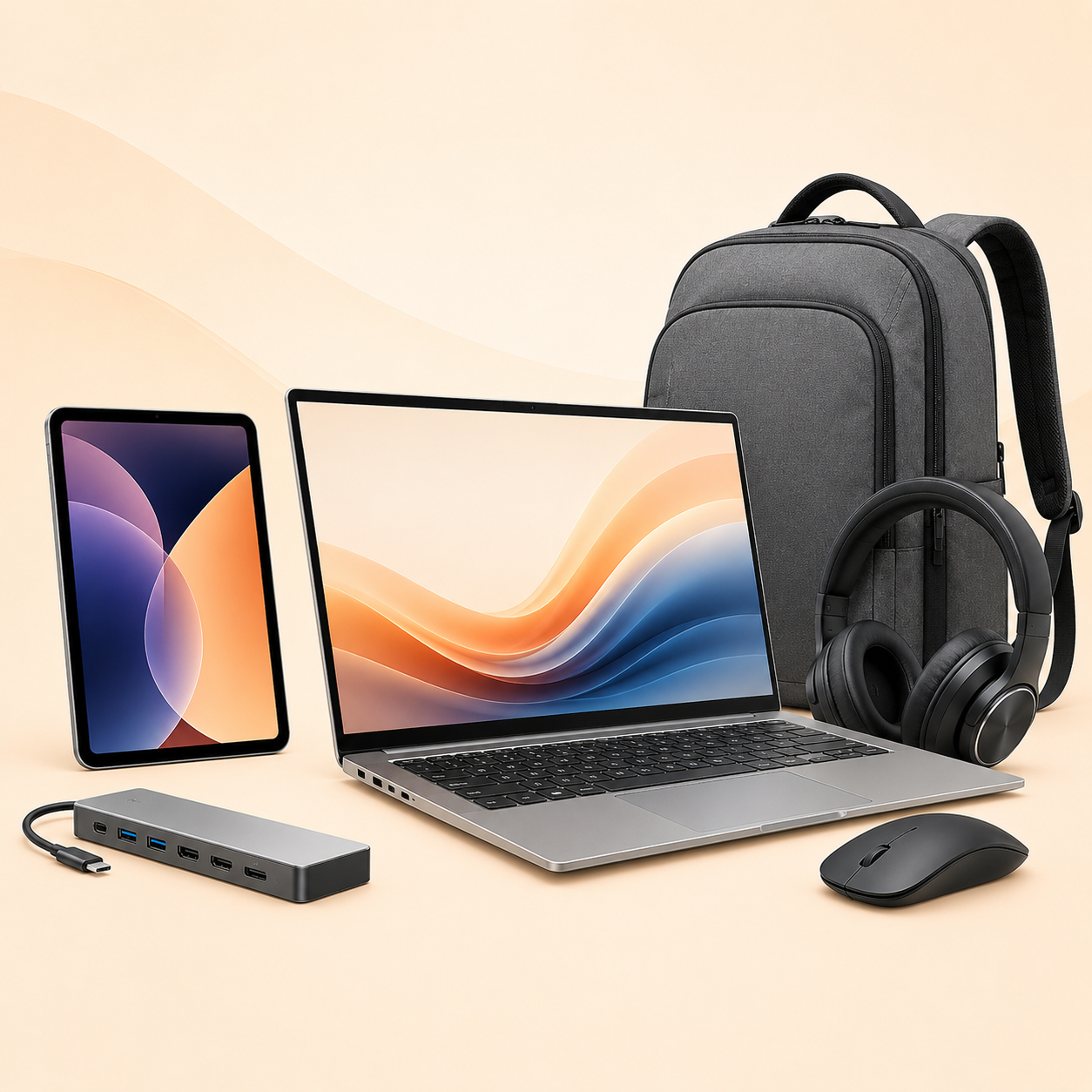
Laptops High-performance laptops
-
Tablets Powerful & portable tablets
-
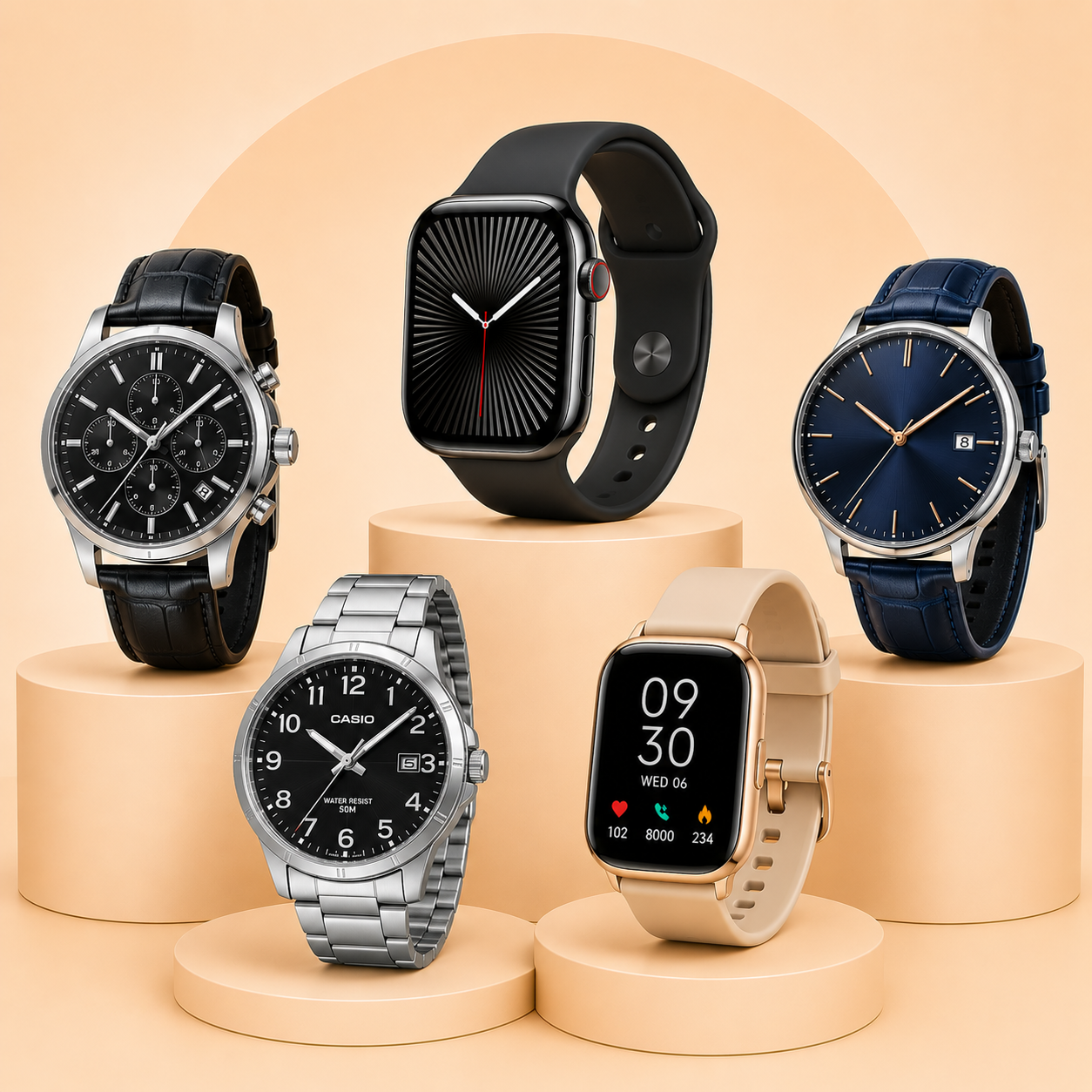
Watches Stay connected anytime
-
Audio Earbuds, headphones & speakers
-
Mobile & Ipad covers Stylish & protective cases
-
Screen Card Premium screen protection
-
Cameras Capture every moment
-
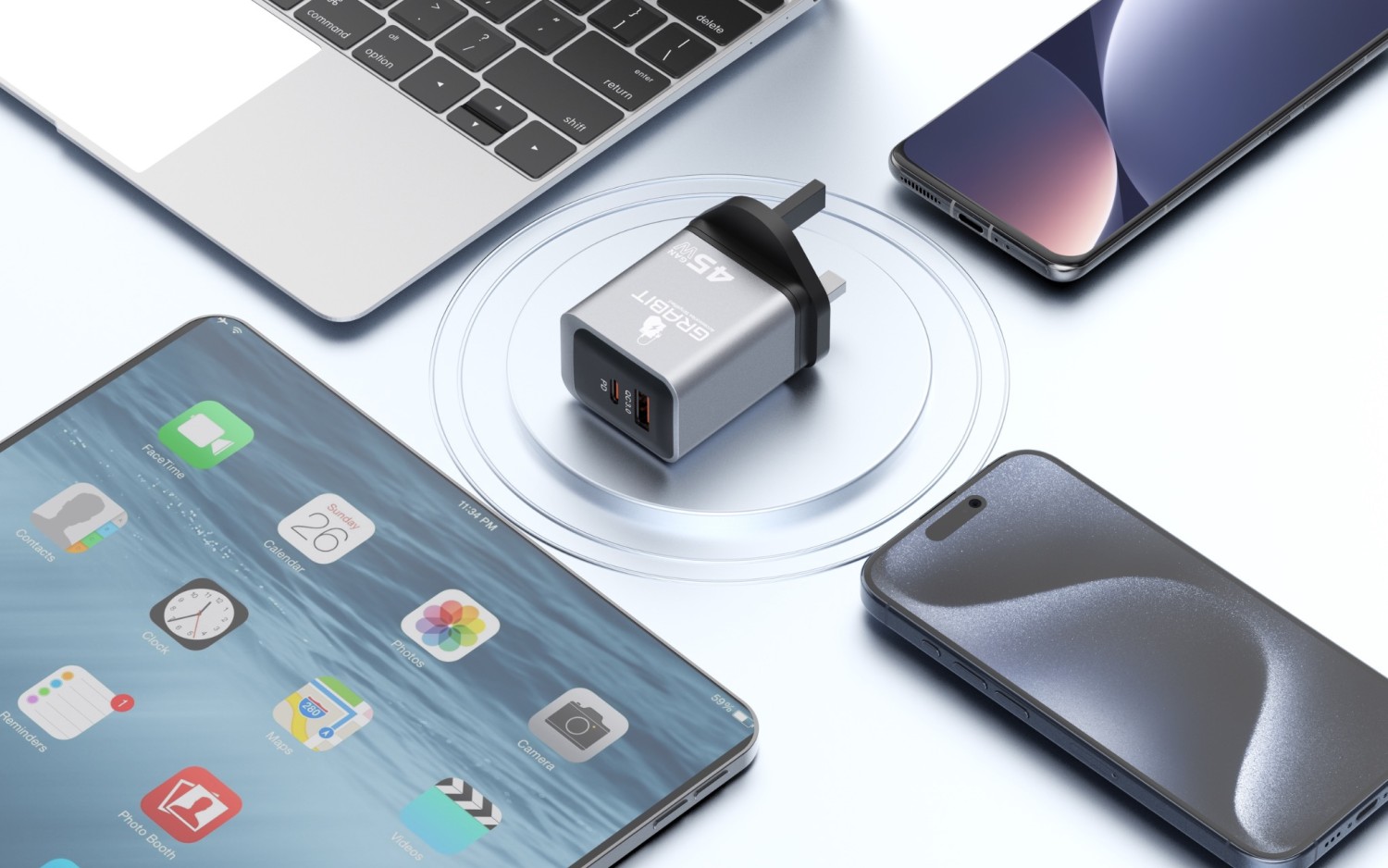
Accessories Chargers, cables & more
-
Electronics Everyday electronic gadgets






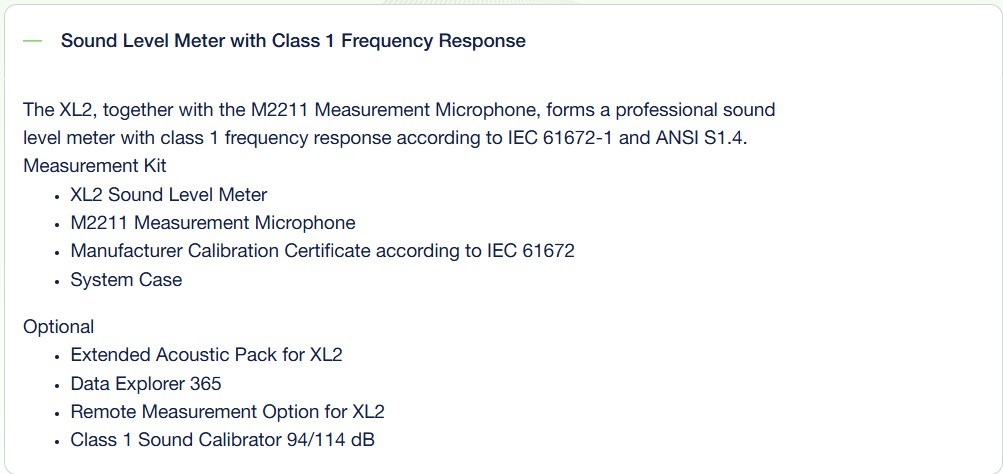
Class 1 Sound Level Meter - Rental
Inhouse product
 1,199.00



Reviews & Ratings
CLASS 1 ACOUSTIC ANALYSER SOUND LEVEL METER FOR RENT
1 DAY = 3000 AED
2 DAYS = 4000 AED
3 DAYS = 5000 AED
4-7 DAYS = 1500 AED/DAY
7-15 DAYS = 1000-1200 AED/DAY
1 MONTH = 20000-25000 AED
Technical Explanation of a Class 1 Sound Level Meter
1. Measurement Principle
2. Precision Requirements
- Reference accuracy: approximately ±1 dB
- Dynamic range: typically 20 dB to 140 dB
- Frequency range: approximately 10 Hz to 20 kHz
- Higher immunity to environmental influences such as:
- Temperature variations
- Humidity changes
- Electromagnetic interference
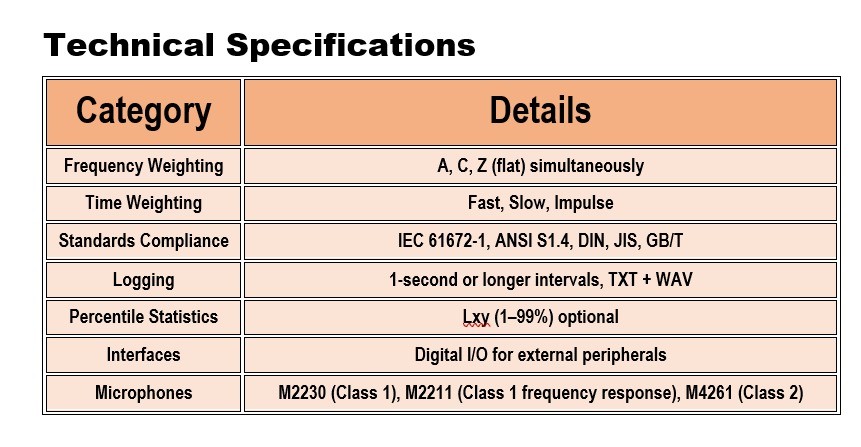
3. Frequency Weighting Networks
- A-weighting (dBA): Simulates human hearing sensitivity; used for occupational and environmental noise assessments.
- C-weighting (dBC): Used for measuring high-level and low-frequency noise.
- Z-weighting (dBZ): Flat or unweighted response over the measurement range.
4. Time Weighting
- Fast (F): 125 ms time constant
- Slow (S): 1 s time constant
- Impulse (I): 35 ms attack and 1.5 s decay
5. Frequency Response
- Class 1: 10 Hz to 20 kHz
- Maintains small permissible deviations across the entire spectrum.
- Low-frequency industrial noise
- High-frequency equipment noise
- Complex environmental sound sources
6. Dynamic Range
- Lower limit: approximately 20 dB
- Upper limit: approximately 140 dB
- Libraries (~30 dBA)
- Offices (~60 dBA)
- Industrial machinery (~90–110 dBA)
- Aircraft noise (>120 dBA)
7. Calibration Requirements
- Reference frequency: 1 kHz
- Reference level: 94 dB or 114 dB
8. Applications Requiring Class 1 Accuracy
- Environmental noise surveys
- Occupational noise exposure measurements
- Building and room acoustics testing
- Airport and traffic noise studies
- Legal and regulatory compliance monitoring
- Research and laboratory applications
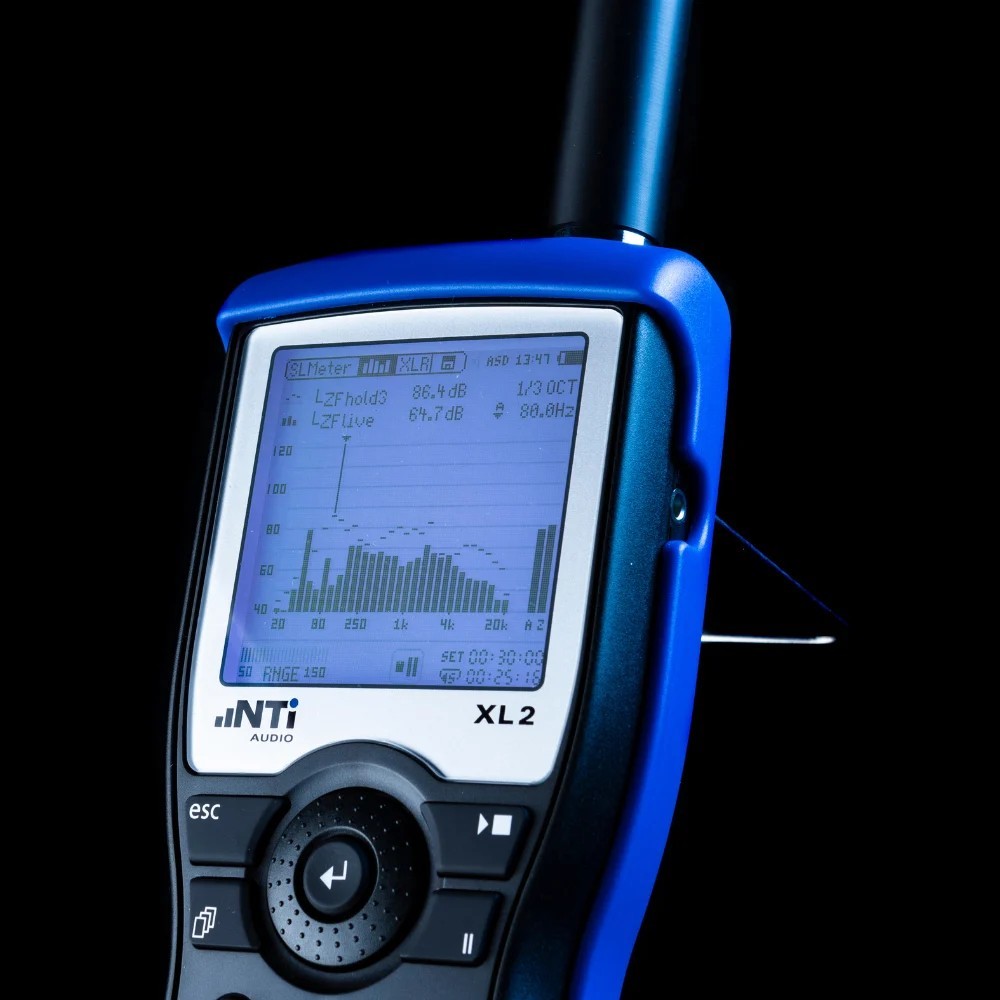
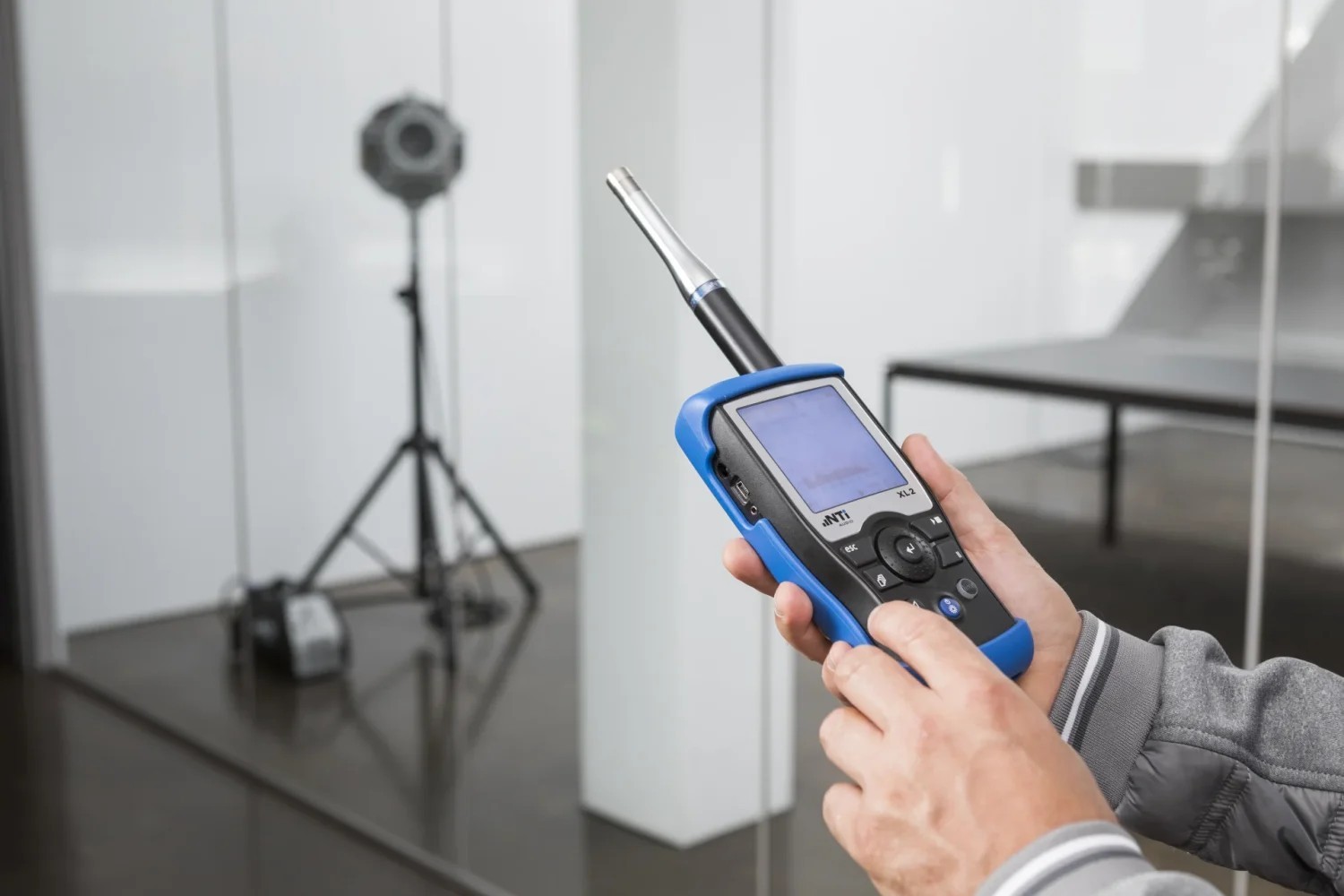
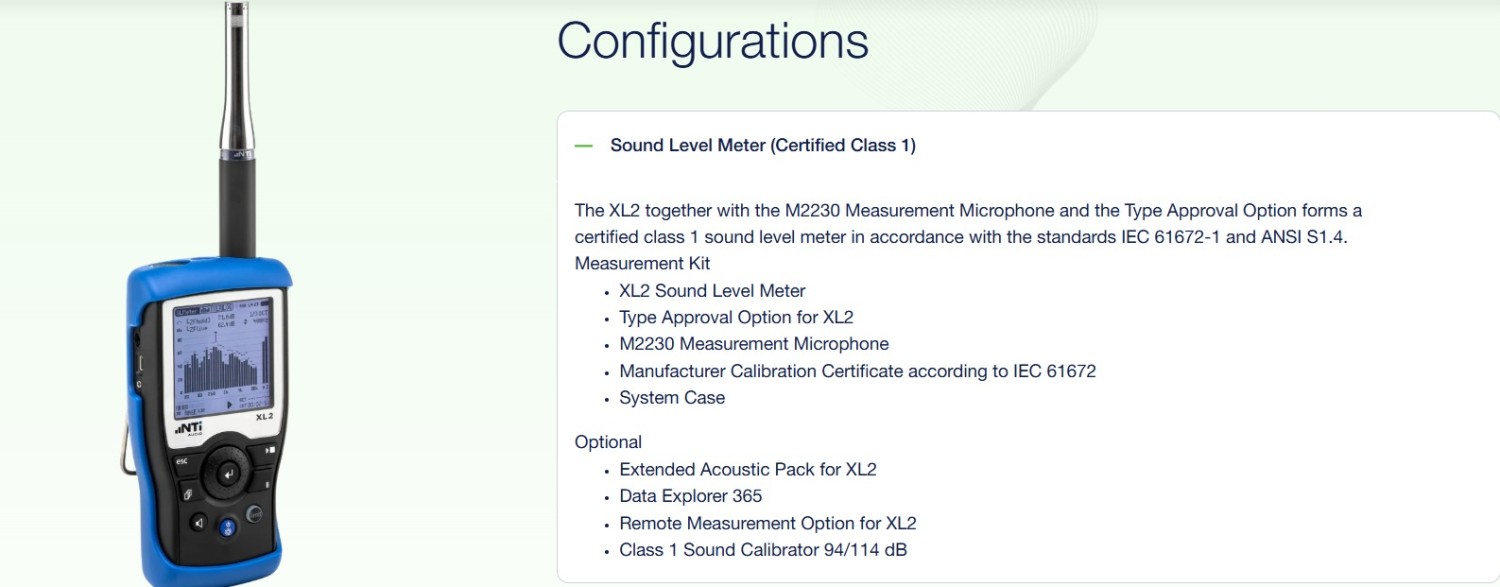
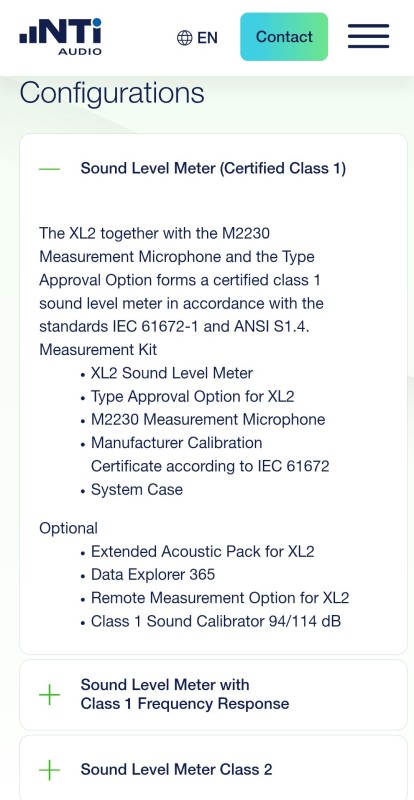
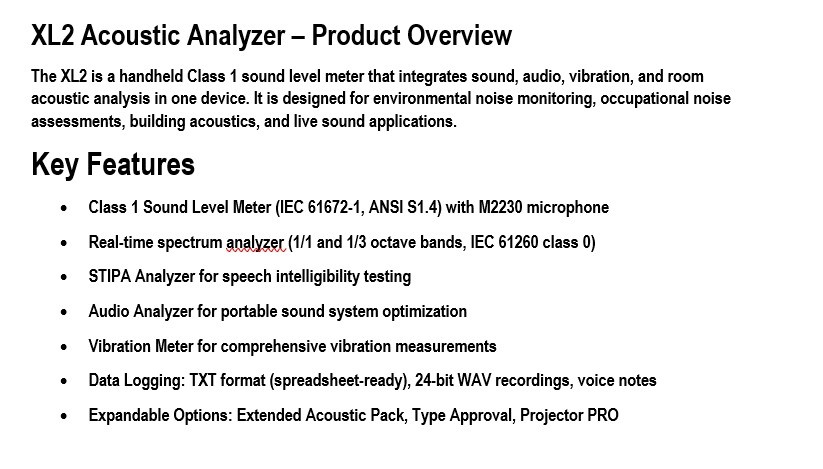
A Class 1 Sound Level Meter (SLM) is a precision-grade electroacoustic measuring instrument designed to measure Sound Pressure Level (SPL) in decibels (dB) according to the requirements specified in IEC 61672-1.
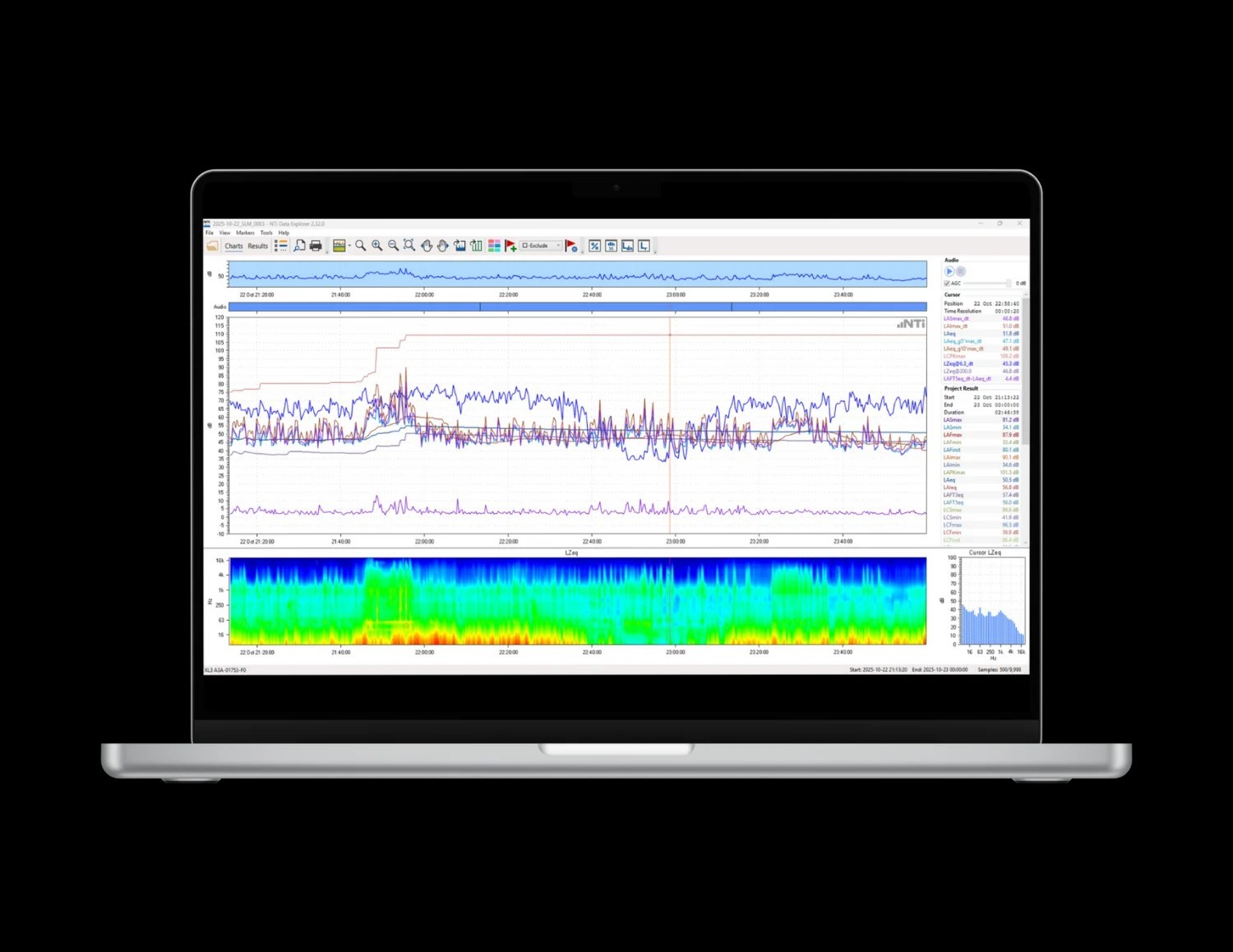
The instrument converts acoustic pressure variations in air into an electrical signal and processes it to calculate the sound level.
Measurement chain:
Sound Wave (Pa) → Microphone → Preamplifier → Frequency Weighting → Time Weighting → RMS Detector → DSP/Processor → Display (dB)
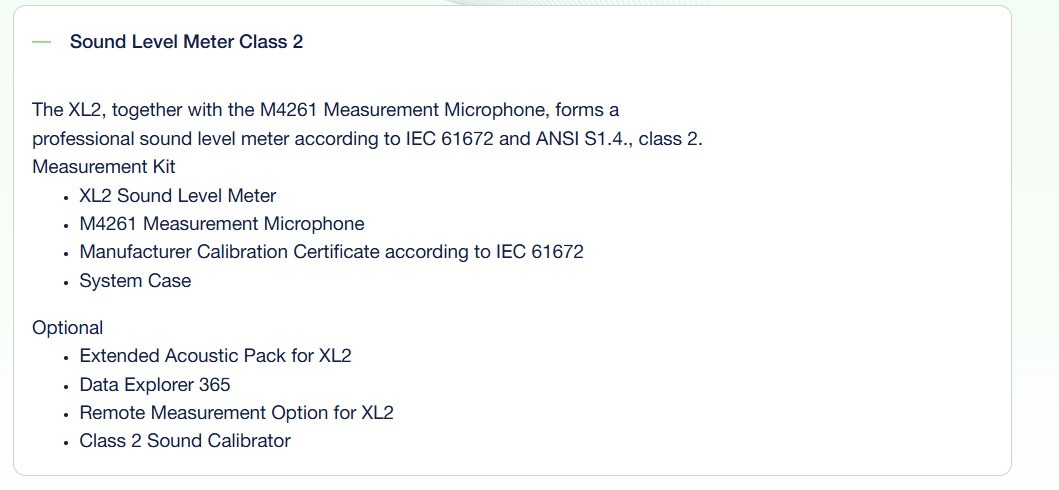
Class 1 meters are manufactured with tighter tolerances and lower uncertainties than Class 2 instruments.
Typical tolerances:
A Class 1 SLM applies standardized weighting filters:
The meter processes sound using standardized response times:
These settings determine how rapidly the meter responds to changing sound levels.
The microphone and electronics must maintain accurate measurements over a wide frequency range:
This makes Class 1 meters suitable for measuring:
A Class 1 meter must accurately measure both very quiet and very loud sounds.
Example:
This wide range allows measurement of:
Class 1 instruments require periodic calibration using a precision acoustic calibrator, commonly:
Calibration ensures the instrument maintains traceability and measurement uncertainty within Class 1 specifications.
Because of their higher precision and lower uncertainty, Class 1 sound level meters are used for:
A Class 1 Sound Level Meter is a precision electroacoustic instrument that measures sound pressure levels with stringent accuracy, frequency response, and environmental stability requirements as specified by IEC 61672-1, providing measurements suitable for professional, scientific, and regulatory purposes.